
The Quiet Grief Behind Alex’s Control
People We Meet on VacationThe narrative gradually reveals that Alex's precision, self-restraint, and need to be useful are not simply personality quirks but responses to early bereavement.
increasing Bearing strength in each event
 decreasing
Bearing strength in each eventdecreasingA Mother’s Death

An Early Loss
Family life changes abruptly
Alex's mother dies after giving birth to David. Mr. Nilsen is devastated, and the children grow up in the aftermath of a loss they do not often discuss.
A child's response
Alex becomes unusually responsible, helping care for his brothers and trying to keep his father and family functioning. The role gives him purpose but makes his own needs less visible.
A Father Cannot Speak of Her
Silence Protects and Isolates
Grief remains unspoken
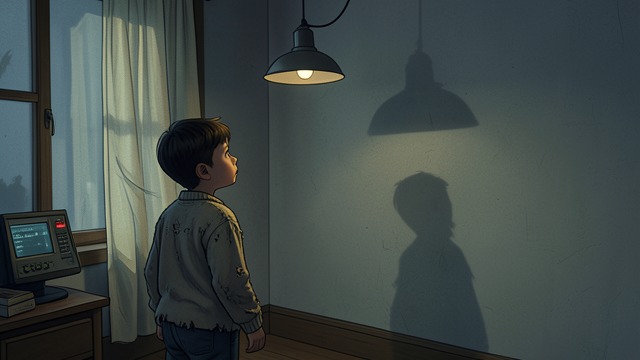
Mr. Nilsen cannot talk about his wife without breaking down, so the boys also learn not to bring her up. Alex grows up with limited access to ordinary memories of his mother.
A story becomes a warning
The absence makes loss feel like a force that can destroy a family. Alex's later fear that love will leave him unable to function is connected to what he witnessed as a child.
Betty Restores a Human Memory

His Mother Becomes a Person Again
Home movies reveal her
At Betty's house, Alex watches footage of his mother holding him and singing. Her voice is poor, but she continues because she is enjoying the moment.
Humor softens grief
Remembering her as an imperfect, joyful person gives Alex a way to love her that is not only defined by what her death did to his family. He later shares this memory with Poppy.
Fear Becomes a Relationship Problem

Protection Turns Into Control
Alex fears for Poppy
The pregnancy scare makes Alex imagine Poppy being harmed, and he responds by getting a vasectomy without first talking openly with Sarah. His decision is protective but driven by panic.
Love is treated as danger
He becomes frightened by how much of his future is organized around Poppy. Instead of discussing that fear, he ends his relationship and hides the truth.
Grief Is Not the Whole Future

A New Understanding of Loss
Alex says the fear aloud
Alex tells Poppy he imagines losing her and being unable to keep living. Poppy points out that he already survived the loss of his mother while remaining present for his family.
Choosing vulnerability
Alex cannot make the future safe, but he can stop treating fear as a prediction that love must end badly. His willingness to proceed is a change in how he responds to grief, not a denial of it.
When Alex is six years old
During Alex’s childhood and adolescence
When Alex is around fourteen or fifteen
During the Tuscany pregnancy scare and its aftermath
Near the ending, during Alex and Poppy’s conversation in Linfield
